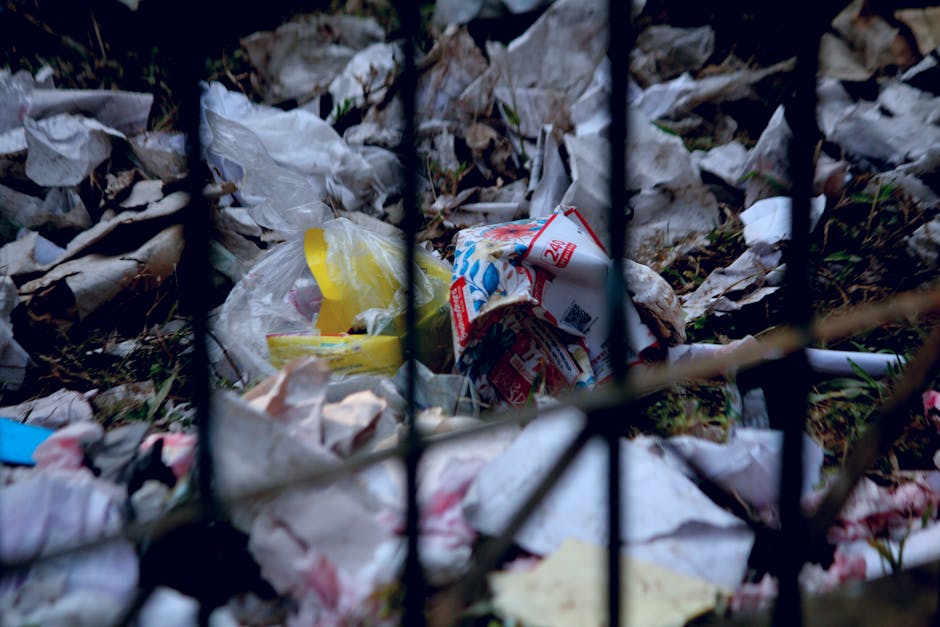
Fly-tipping fines: disposing removal waste in Merton
If you are planning a move, clearing a flat, or shifting old furniture out of a property, the last thing you want is a fly-tipping fine landing on your doorstep. Yet this is exactly where people get caught out. Fly-tipping fines: disposing removal waste in Merton can become a real problem when removal waste is left in the wrong place, handed to the wrong person, or dumped in a rushed last-minute clear-out. The good news? With a bit of planning, you can avoid the stress, protect your budget, and keep the whole move tidy and legal.
This guide explains what fly-tipping means in practical terms, how fines can arise, what counts as removal waste, and the simplest ways to dispose of it responsibly in Merton. It also covers common mistakes, compliance basics, and a clear step-by-step approach you can actually use. No fluff. Just the stuff that matters when you are staring at a van full of boxes and wondering what goes where.
Table of Contents
- Why Fly-tipping fines: disposing removal waste in Merton Matters
- How Fly-tipping fines: disposing removal waste in Merton Works
- Key Benefits and Practical Advantages
- Who This Is For and When It Makes Sense
- Step-by-Step Guidance
- Expert Tips for Better Results
- Common Mistakes to Avoid
- Tools, Resources and Recommendations
- Law, Compliance, Standards, or Best Practice
- Options, Methods, or Comparison Table
- Case Study or Real-World Example
- Practical Checklist
- Conclusion
- Frequently Asked Questions
Why Fly-tipping fines: disposing removal waste in Merton Matters
Fly-tipping is not just an eyesore. It can create hazards, draw complaints from neighbours, and leave you exposed to enforcement action if waste from your move is traced back to you. In Merton, as in the rest of London, removal waste needs to be handled carefully because even a small pile of discarded items can become someone else's problem very quickly.
Think about the typical moving day scene: a damaged wardrobe, broken boxes, a cracked mirror, a couple of paint tins, and some unwanted bits from the loft. It all looks harmless in the hallway. Outside, though, it becomes a different story. Once waste is left on a pavement, in a lay-by, beside a bin store, or near a shared wall, it can be treated as dumped waste. That is where fines and complaints can start.
There is also a wider practical reason to take this seriously. Fly-tipping can delay a move, upset landlords or managing agents, and make an already busy day feel twice as stressful. To be fair, most people do not set out to do the wrong thing. They simply underestimate how quickly removal waste piles up.
Practical summary: if the item is unwanted, broken, or no longer fit for the move, treat it as waste before moving day begins. That one habit prevents a lot of last-minute chaos.
Responsible disposal also helps keep the local area cleaner and safer. In a busy borough like Merton, where streets, driveways, and shared access areas are used constantly, a single careless pile can block pathways, attract further dumping, or create a nuisance for others. Nobody wants that reputation, least of all while trying to move house.
How Fly-tipping fines: disposing removal waste in Merton Works
The process is simpler than many people think, but there are a few moving parts. In plain English, fly-tipping fines usually arise when waste is found in a place where it should not be, and someone can be linked to it through documents, labels, vehicle details, or witness reports. Removal waste is especially risky because it often contains personal items, packaging, and furniture that can be traced back to a specific property.
Here is how it commonly happens:
- A householder or tenant clears out unwanted items during a move.
- The waste is passed to a friend, trader, or skip alternative without proper checks.
- It is left at the roadside, in an alley, or near communal bins because "it will only be there a minute".
- Someone reports it, or enforcement officers identify the source.
- A notice, fine, or further investigation follows.
Sometimes the issue is not malicious at all. It is a mix of urgency and poor planning. A van is booked for a few hours, the final sorting runs over time, and suddenly there is a pile of mattresses, shelves, and boxes that do not fit the lift or the vehicle. That is exactly the moment when people make avoidable mistakes.
What counts as removal waste? Usually anything you are not keeping and do not want to bring into the new place. This may include broken furniture, excess packaging, old appliances, scrap timber, fabric offcuts, unwanted office contents, or bulky items left behind after a tenancy ends. Some items are reusable, some recyclable, and some need specialist handling. The key is to separate them before the van arrives.
For people wanting a cleaner move, it often helps to pair removals with a more organised storage plan. Services such as removals, local removals, or man and van support can reduce the temptation to dump unwanted items in a hurry. If you need time to decide what stays and what goes, short-term storage can be a useful breathing space.
Key Benefits and Practical Advantages
Handling removal waste properly is not just about avoiding fines. It can make the whole move smoother, cheaper in the long run, and far less chaotic. Most people feel the difference almost immediately once they stop treating waste as an afterthought.
- Lower risk of enforcement trouble: proper disposal reduces the chance of complaints, fines, or awkward follow-up.
- Cleaner move-out day: fewer unwanted items means less clutter, less lifting, and fewer surprises at the door.
- Better use of vehicle space: the van carries what you actually need, not the broken shelf from the spare room.
- Less stress for tenants and landlords: a tidy clearance is easier to inspect and hand over.
- More chance to reuse or recycle: some items can be passed on, stored, or processed responsibly rather than dumped.
There is also a small but real time benefit. Sorting waste before the removal team arrives often saves those awkward five-minute decisions that turn into twenty-minute delays. You know the sort. "Can we take this?" "Maybe keep that?" "Actually no, maybe not." It gets messy fast.
When a move is being organised properly, services like packing services can also help keep unwanted and wanted items separate. That sounds basic, but it is one of the easiest ways to avoid accidental dumping or disposal mistakes.
Who This Is For and When It Makes Sense
This topic matters to more people than you might think. It is not only for landlords or large contractors. In Merton, fly-tipping risk can affect anyone moving belongings around without a clear waste plan.
- Home movers: especially if the move involves broken furniture, outdated appliances, or loft clear-outs.
- Flat movers: shared entrances and communal bins make improper disposal even riskier.
- Students: end-of-term clear-outs often create more waste than expected.
- Businesses: office relocations can produce paper waste, old furniture, and surplus equipment.
- Landlords and letting agents: end-of-tenancy clearances often need a careful split between rubbish, recycling, and reusable items.
It also makes sense for anyone between properties. If you are storing items while deciding what to keep, self storage or mobile self storage can stop perfectly good furniture from being binned just because there is no room on moving day. That happens a lot, truth be told.
For larger household clearances, house removals and household storage are often useful together. For offices, office removals and office storage can help keep equipment secure while you sort through what is reusable and what is waste.
Step-by-Step Guidance
If you want the simplest possible approach, follow this sequence. It is not glamorous, but it works.
- Sort everything into three piles. Keep, store, and dispose. If you are unsure about an item, do not let it drift into the waste pile by default.
- Check bulky items early. Sofas, wardrobes, mattresses, and office desks need more thought than cardboard does.
- Separate recyclable packaging. Flatten boxes, bundle paper, and remove any obvious contamination.
- Keep hazardous or awkward items aside. Paint tins, batteries, cleaning products, and certain electrical items often need special handling.
- Book the right removal support. If the load is small, a small removals option may be enough. Bigger jobs may need a fuller removals and storage plan.
- Choose storage if you are undecided. If an item might still be useful, keep it out of the waste stream with long-term storage or secure storage.
- Remove waste from access areas before the final handover. Hallways, front steps, and shared entrances should be left clear.
- Get written confirmation of what is being moved or removed. This matters if there is ever a dispute about what happened to a specific item.
A simple rule helps here: if you would not want to see the item left outside your own home, do not leave it outside someone else's. Easy to say, but useful.
Expert Tips for Better Results
From a practical removals perspective, the cleanest moves are the ones where waste is planned before the packing starts. That sounds obvious, but it is where most households slip up.
First tip: walk the property room by room and make decisions early. Do not wait until the night before. By 9pm, everything looks harder. The room feels smaller, the kettle has been used too much, and even a broken lamp starts to seem negotiable.
Second tip: keep a separate area for disposal items. One corner, one label, one clear pile. It sounds almost too simple, but that tiny bit of structure reduces accidental loading. In our experience, confusion usually starts when keepers and discard items mix together.
Third tip: use storage as a decision buffer. If you are not ready to part with something, place it in short-term storage rather than leaving it in a hallway "for later". Later rarely arrives when a van is reversing outside.
Fourth tip: check that your chosen mover or storage provider is clear about safety and handling. Pages like health and safety policy, insurance and safety, and terms and conditions are worth reading because they show how the business approaches risk, damage, and responsibility.
Fifth tip: think sustainability. Not every unwanted item needs to be treated as rubbish. Some can be reused, donated locally, or kept in storage until you decide. The more reuse you build into the process, the less waste you generate.
Common Mistakes to Avoid
These are the mistakes that cause the most trouble, and most of them happen because the moving day pace gets frantic.
- Leaving waste beside communal bins: if it is not accepted there, it can be treated as dumped.
- Assuming someone else will dispose of it: "I thought the van crew would take it" is not a plan.
- Not checking bulky item rules: large furniture needs specific handling, not guesswork.
- Mixing rubbish with reusable items: this leads to unnecessary disposal and avoidable cost.
- Ignoring paperwork or receipts: if the waste is questioned, you will want evidence of proper handling.
- Handing waste to an unverified collector: if they dump it, you may still get pulled into the mess.
One more, and it matters: do not let "temporary" become "abandoned". A bag left in a driveway overnight can quickly become a complaint by morning. London mornings are funny like that; people notice everything before the first coffee.
Tools, Resources and Recommendations
You do not need a fancy system. You need a sensible one. A few basic tools make disposal far easier:
- Marker pens or labels: mark what stays, what stores, and what goes.
- Strong bin bags and rubble sacks: useful for smaller waste, provided the contents are appropriate.
- Furniture blankets and straps: reduce damage when moving items you are keeping or storing.
- Boxes for mixed bits: screws, brackets, shelf fittings, and loose parts should not disappear into a random bag.
- A simple inventory list: especially useful for larger moves or office clearances.
As a recommendation, choose a removal setup that fits the size of the job rather than trying to force everything into one awkward trip. Man and van works well for smaller loads, while a fuller removals service is often more suitable for whole-home or mixed-item moves. If the move is linked to business premises, business storage can help keep surplus stock, files, or fixtures out of the waste stream until a decision is made.
If you are preparing a quote, pricing and quotes is the natural place to start. It is worth asking what is included, what counts as waste, and whether any items need separate handling. Clear answers upfront save a lot of back-and-forth later on.
Law, Compliance, Standards, or Best Practice
This is the part people often skip, then regret later. While this article is not legal advice, the general UK best practice is straightforward: waste should be handled by responsible parties, and you should be able to show that you took reasonable steps to avoid illegal dumping.
In practical terms, that means:
- using reputable services for removals and disposal-related handling;
- keeping a record of what was moved, stored, donated, or discarded;
- not leaving items on public land, pavements, or shared spaces unless they are formally accepted there;
- checking that bulky items, electrical waste, and potentially hazardous items are dealt with appropriately;
- reading the provider's terms so responsibility is clear before collection day.
Best practice in Merton is the same as elsewhere in London: plan the waste path before the move starts. If you are a tenant, this matters even more because leftover waste can affect checkout, deposits, and landlord relations. If you are a business, poor disposal can also create a poor impression with staff and neighbours. Not ideal, obviously.
When in doubt, use storage rather than abandonment. That one choice often keeps you on the safe side while you decide what to do next.
Options, Methods, or Comparison Table
Different jobs call for different solutions. Here is a simple comparison to help you choose the right route.
| Method | Best for | Advantages | Watch-outs |
|---|---|---|---|
| General rubbish disposal | Small, permitted waste only | Quick for low-volume items | Easy to misuse for bulky or mixed waste |
| Removal service with sorting | Households and offices | More controlled, less clutter, less stress | Needs clear instructions before collection |
| Short-term storage | Items you are unsure about | Buys time to decide, avoids rushed dumping | Not a disposal solution by itself |
| Long-term storage | Valuable items you want to keep but not move yet | Protects items from becoming waste by accident | Costs should be weighed against item value |
| Small removals | Light clear-outs or single-room moves | Efficient and usually easier to coordinate | May not suit large bulky loads |
If you are clearing a flat, flat removals can be especially helpful because access, lifts, and shared entrances often make waste handling more complicated than it first appears. For longer transitions between homes, removals and storage is often the calmest option.
Case Study or Real-World Example
A typical example: a couple moving out of a Merton flat after six years. They had three wardrobes, a bed frame, a broken bookcase, a box of cables, and a few bags of mixed clutter from the spare room. At first glance, it all looked like "a few things". By the time they started sorting, it was obvious the move had three separate jobs hidden inside one.
They divided everything into keep, store, and dispose. The bed and one wardrobe went with the move. The broken bookcase was not worth repairing, so it was separated as waste. The books, extra cables, and seasonal items went into storage while they settled into the new place. The result was simple: fewer rushed decisions, no items left outside, and no temptation to dump anything near the building entrance because the schedule ran tight.
That is usually the pattern. Once people give themselves a bit of breathing room, the waste problem shrinks fast. Funny how that works.
Practical Checklist
Use this checklist before moving day or clearance day:
- Have I separated keep, store, and dispose items?
- Do I know which items are bulky or need special handling?
- Are all waste bags and boxes clearly labelled?
- Have I removed waste from communal or public areas?
- Do I have proof of any collection, disposal, or storage arrangement?
- Have I checked the mover's terms and safety information?
- Would any item be better in storage than in the bin?
- Have I kept hazardous or uncertain items apart?
- Is the access route clear for the removal team?
- Have I left enough time to avoid last-minute dumping decisions?
If you can tick most of those off, you are in a much better place. Not perfect, maybe, but solid. And solid is what you want on moving day.
Conclusion
Fly-tipping fines: disposing removal waste in Merton is really about one thing: planning ahead so waste never becomes a problem in the first place. The safest approach is to separate what you keep, what you store, and what you genuinely need to dispose of, then make sure the waste is handled through proper, traceable, and sensible channels.
That approach protects you from avoidable fines, keeps neighbours and landlords happy, and makes the move feel far more controlled. It also leaves room for better decisions. Sometimes a sofa is rubbish. Sometimes it is just not needed yet. Sometimes it belongs in storage, not at the kerb. Big difference.
If you are organising a move or clear-out in Merton, a bit of structure now can save a lot of hassle later. And honestly, that calm feeling when the last box is out, the hallway is clear, and nothing is left where it should not be - that is worth quite a lot.
Get a free quote today and see how much you can save.
Frequently Asked Questions
What counts as fly-tipping during a move?
Fly-tipping is the illegal dumping of waste in a place where it should not be. During a move, that can include leaving furniture, bags, boxes, or mixed rubbish on a pavement, beside bins, in communal areas, or anywhere that has not been approved for waste placement.
Can I put removal waste next to the bin if it is only temporary?
Usually, no. If the waste is not specifically accepted there, it can still be treated as dumped. "Temporary" is one of those words that causes trouble because it rarely stays temporary for long.
Who is responsible if my waste gets fly-tipped by someone else?
Responsibility can depend on the circumstances, but if you handed waste to an unverified collector or failed to check what would happen to it, you may still face questions. Keep records and use reputable removal arrangements whenever possible.
How can I avoid fines when clearing a flat in Merton?
Sort items early, separate reusable goods from waste, avoid leaving anything in shared spaces, and use a proper removals or storage plan. For many flat moves, flat removals and short-term storage make the process much cleaner.
Is storage better than disposal for items I might want later?
Yes, if you are not sure. Storage gives you time to decide without creating waste unnecessarily. It is often better to place an item in self storage than to rush it into the bin and regret it later.
What should I do with broken furniture during removals?
Decide early whether it can be repaired, stored, reused, or responsibly removed. Do not leave broken furniture in hallways or outside the property. If it is part of a bigger move, a service like small removals can help with the transport side, while the waste decision stays clear.
Can a removal company take my waste for me?
Some can help with certain items, but you should always confirm exactly what is included before moving day. Check the provider's terms, safety information, and quote details so there is no confusion about what is being moved and what is being discarded.
What documentation should I keep?
Keep any quote, job notes, collection confirmation, or inventory that shows how items were handled. If a question comes up later, even a simple record can help show that you took the right steps.
Are office clear-outs treated differently from house moves?
The basic principle is the same: waste must not be dumped. Office clear-outs often create more paper, furniture, and equipment waste, so a plan matters even more. Office removals and office storage can reduce the risk of rushed disposal.
What is the simplest way to avoid fly-tipping mistakes?
Do not leave the waste decision until the end. Sort early, label clearly, and use storage for items you are undecided about. That one habit solves more problems than people expect.
Do I need to think about safety as well as legality?
Yes. Heavy lifting, sharp edges, and awkward loads can turn a disposal job into a safety issue very quickly. Reading a provider's health and safety policy and insurance and safety information is a sensible part of planning.
Where do I start if I have a mix of items to move, store, and throw away?
Start by sorting the items into those three groups. Then ask for a quote that matches the job size. If you need a flexible solution, removals and storage is often the neatest middle ground.